Demolition isn’t just about tearing down structures; it’s a complex process that requires precision and safety. As urban landscapes evolve, so do the methods we use to dismantle old buildings. Traditional demolition techniques have long been associated with risks—crumbling debris, hazardous materials, and unpredictable machinery can turn an ordinary day on site into a potential disaster.
But what if there was a way to make this process safer? Enter automated demolition equipment. This game-changing technology is revolutionizing how we approach demolition projects. By minimizing human involvement in high-risk situations, these machines are paving the way for safer job sites and more efficient operations. Let’s delve deeper into why automated systems are becoming indispensable in modern demolition work.
The Dangers of Traditional Demolition Methods
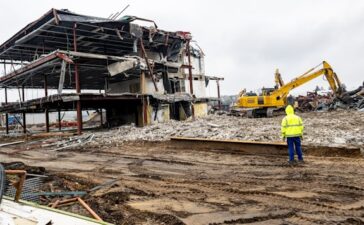
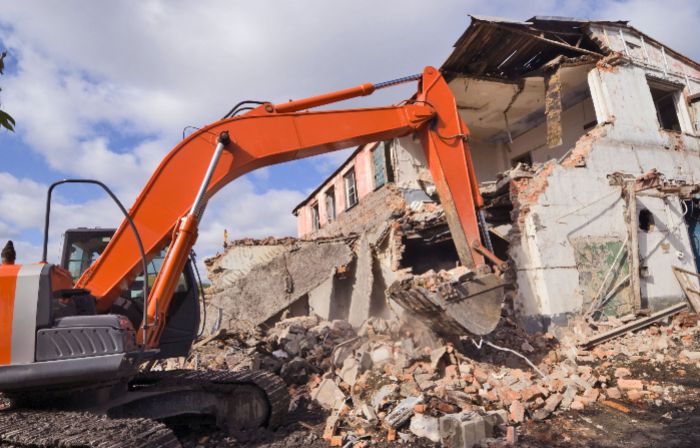
Traditional demolition methods often involve heavy machinery operated by skilled workers. While effective, these techniques come with significant risks.
Workers are frequently exposed to falling debris and structural collapses. The unpredictable nature of older buildings can create hazardous conditions that put lives at risk.
Noise and dust from the demolition process are not just annoyances; they pose serious health threats too. Prolonged exposure can lead to respiratory issues and hearing damage.
Manual labor plays a large role in traditional demolitions, increasing fatigue-related accidents. Workers on-site must navigate unstable environments while handling dangerous tools.
Moreover, the use of explosives adds another layer of danger. Miscalculations or malfunctions can result in catastrophic consequences for both workers and surrounding communities.
These dangers highlight the urgent need for safer alternatives and remote controlled demolition robot in the demolition industry to protect everyone involved workers, residents, and passersby alike.
How Automated Equipment Improves Safety
Automated demolition equipment significantly enhances safety on construction sites. By removing workers from high-risk areas, these machines minimize the chances of injury during hazardous tasks.
These advanced tools operate with precision and consistency. They can handle unstable structures without the need for human intervention, drastically reducing accidents caused by falling debris.
Additionally, automated systems are equipped with sensors and cameras that provide real-time feedback. This technology allows operators to monitor conditions remotely, ensuring that any potential dangers are identified early.
Increased control over demolition processes also leads to fewer unexpected outcomes. The machinery can be programmed to execute complex maneuvers safely, lowering the risk of catastrophic failures.
With automation taking center stage in demolition projects, companies can prioritize worker welfare while still meeting deadlines. The result is a safer environment where productivity thrives alongside enhanced protection measures.
Features of Automated Demolition Equipment
Automated demolition equipment comes packed with features designed to enhance safety and efficiency. One standout is remote operation capability. This allows operators to control machines from a safe distance, minimizing exposure to potential hazards.
Another key feature is precision technology. Advanced sensors can detect structural weaknesses, ensuring that demolitions are executed accurately without risking nearby structures or personnel.
Robust safety measures like emergency shut-off systems provide an added layer of protection. If an anomaly occurs, these systems allow for immediate halting of operations.
Additionally, many automated machines are equipped with real-time monitoring systems. These tools analyze data during the demolition process and alert operators about any emerging risks in real time.
User-friendly interfaces make it easier for operators to manage complex tasks efficiently while maintaining focus on safety procedures.
Real-life Examples of Improved Safety with Automation
Real-life examples illustrate the profound impact of automated demolition equipment on safety. In a recent project in Chicago, construction teams used robotic arms to dismantle a high-rise building. This method eliminated the need for workers to operate within close proximity to falling debris. The result? A significant reduction in accident reports and an overall safer environment for everyone involved.
Another case study comes from a mining site in Australia where automation was integrated into the demolition process of old structures. By utilizing drones alongside ground-based robots, operators could assess structural integrity and execute controlled demolitions remotely. The outcome not only enhanced safety but also improved efficiency, allowing teams to focus more on planning rather than reacting to emergencies.
These instances highlight how embracing technology can lead to safer work environments across various industries. As more companies recognize these benefits, it’s clear that automated demolition equipment is paving the way for a future where safety is paramount, proving that innovation can safeguard lives while maximizing productivity.