In Melbourne’s highly competitive retail and commercial environment, the ability to stand out from the crowd is a genuine business advantage. Commercial signage is one of the most cost-effective tools available to businesses for building brand awareness, directing customer traffic, and communicating their proposition to the passing audience. Unlike digital advertising, which requires ongoing investment to maintain visibility, a well-made sign works around the clock without additional cost. The range of commercial signage solutions available in Melbourne has expanded considerably with advances in printing technology, materials science, and LED illumination. What was once a market dominated by painted or screen-printed signs has evolved into a sophisticated industry offering precision digitally produced graphics in almost any size or format.
The Argument in Favour of Purchasing High-Quality Commercial Signage
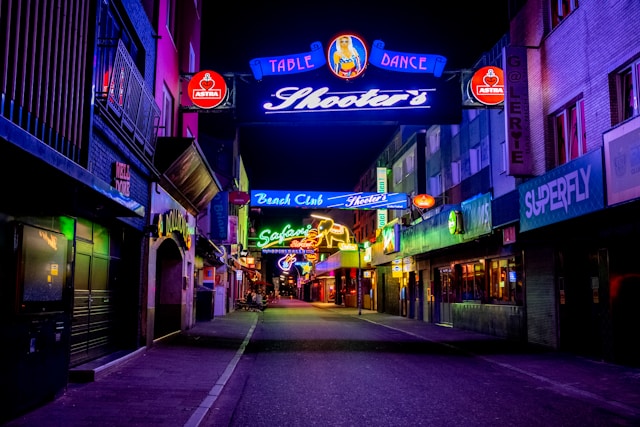
Commercial signs Melbourne span a broad range of product types and price points. At the entry level, digital vinyl graphics and banner prints offer quick, affordable branding solutions for new businesses and short-term campaigns. At the premium end, illuminated LED light boxes, three-dimensional lettering, and architectural signage systems provide high-impact installations that make a strong and lasting impression on customers and visitors. The case for investing in quality commercial signage rests on the return it delivers over its operational life. A professionally designed and produced exterior sign that lasts ten years and is seen by thousands of passersby daily represents outstanding value per impression compared to almost any other form of advertising. The reverse is also true: a sign that looks cheap or amateur reflects on the business it represents and can actively deter potential customers.
Melbourne’s Commercial Sign Types
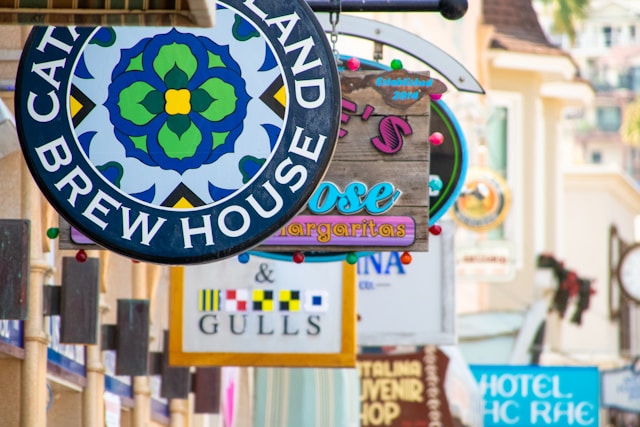
Shopfront signage is the foundation of retail brand presence. Fascia signs, window graphics, and suspended blade signs work together to identify the business, communicate its offer, and create a visual identity that customers can recognise and remember. For businesses in competitive retail precincts, the quality and distinctiveness of this signage is a factor in foot traffic. Vehicle graphics and fleet branding take the business’s identity out onto Melbourne’s roads, turning company vehicles into mobile advertising assets that reach audiences across the metropolitan area. A well-executed fleet wrap program can generate substantial brand impressions each day at a very low cost per contact.
Choosing the Correct Signage Design Right Away
Effective commercial signage starts with effective design. The best signage is legible from the appropriate viewing distance, communicates the key message clearly and quickly, and is visually consistent with the brand’s other marketing materials. Common design mistakes include overcrowding the sign with too much text, using fonts that are difficult to read at a distance, and choosing colour combinations with insufficient contrast. Engaging a signage company that offers in-house design services, or working with a graphic designer who has experience with signage-specific design requirements, ensures that the final product works as intended in its physical environment rather than simply looking appealing on a computer screen.
Installation, Maintenance, and Compliance
Commercial signage installation in Melbourne must comply with local council requirements regarding size, placement, illumination, and structural attachment. A reputable commercial signage company is familiar with these requirements and will manage the relevant approvals where required as part of the project. Non-compliant signage can result in orders to remove or modify the installation, which is a costly and disruptive outcome. Planned maintenance of commercial signs, including cleaning, lamp replacement for illuminated signs, and inspection of fixings and structural elements, extends the service life of the investment and ensures the signage continues to make a positive impression. A maintenance schedule agreed with the installation company at the time of purchase is the simplest way to ensure this happens consistently.