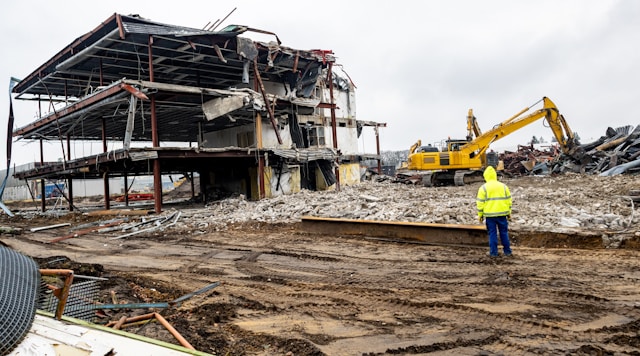
Around 44 per cent of the total waste stream in Australia is produced from construction and demolition activities, and concrete contributes to a large share of that amount. Concrete may be the inert, benign rubble that many builders think it is. If it is not managed correctly, it results in legal exposure, environmental damage, and project delays that cost more than proper disposal would. The national recycling rate for construction and demolition waste in the industry is 76 to 77 per cent. The picture at the project level is more complicated, especially for smaller residential builders. Many are still landfilling concrete at high rates as regulators in all states are ratcheting up enforcement.
Why Concrete Slurry Is Treated as Controlled Waste?
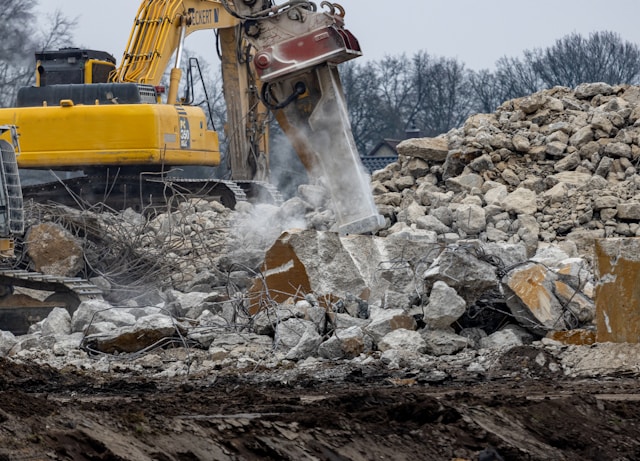
From a regulatory perspective, this distinction is crucial. Solid concrete cores from coring and drilling operations, the dry discs that are pulled from a core drill cut, are relatively easy to handle. The liquid waste called concrete slurry, produced during cutting, drilling, and equipment washing, is a different matter. It has an alkaline pH that kills aquatic life and triggers EPA responses. It is considered controlled waste under NSW’s Protection of the Environment Operations Act and equivalent frameworks in Victoria and other states.
In NSW and Victoria, fines for improper disposal can be as high as $60,000 AUD for individuals, and more for corporations. The EPA NSW has published detailed guidance on concrete wastes, outlining the differences in the obligations of residential operators and licensed contractors. The language is clear. Slurry cannot be directed into stormwater drains, poured onto unprepared ground, or washed into gutters. This is not a technicality. Enforcement activity in concrete slurry disposal has increased as urban infill projects bring drilling and cutting operations closer to stormwater infrastructure in established neighbourhoods.
The Regulatory Picture Across States
Multi-state operators are often caught out because there is no national standard for concrete waste. NSW is governed by the Protection of the Environment Operations Act and its EPA managing concrete waste disposal Australia guidelines. Victoria is governed by the Environment Protection Act 2017 and its 13 general environmental protection duties that came into effect in July 2021. This created a general duty of care that applies to concrete waste management as a subset.
The ACT, Western Australia, and Queensland each have their own systems. A contractor who has based their compliance practices on NSW EPA guidance and then moves to a Queensland site is using the wrong reference document. The risk is more than fines. Non-compliant waste handling on a project can halt site operations until an investigation takes place. It can trigger notice requirements with principal contractors and cause reputational damage in an industry where the same builders and developers work with the same councils over and over.
On-Site Management: What Best Practice Looks Like?
The most practical on-site approach to the management of concrete waste involves three elements: separation, solidification, and documented disposal routes. Concrete from coring operations that is solid can be crushed for road base or construction backfill if it is kept separate from the contaminated slurry. Once mixed with slurry or contaminated water, the material is no longer solid, and disposal options become limited. Polymer or bentonite clay solidification systems convert the liquid waste to a non-hazardous solid in a matter of minutes. They can reduce the volume of disposal by as much as 70 per cent.
This can then be handled as non-hazardous solid waste, which has far less stringent disposal requirements. The three operational pillars that regulators across all states look for when inspecting a site are skip bin segregation, clear labelling of waste streams, and the use of licensed disposal facilities with documented waste transfer certificates. The risk of enforcement is highest for small operators who manage this informally. This is not because they manage a large volume. It is because they are least likely to have the documentation to show that they are managing it correctly.
Recycling Pathways and the Circular Economy
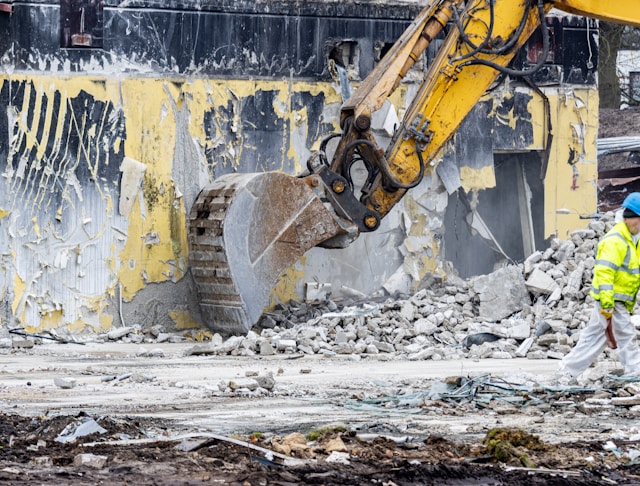
The Circular Economy Framework 2024 for Australia sets the national target to double the circularity rate of Australia by 2035. Recycled aggregate is already in use in new construction, road base, and backfill in all major states. There is still a lack of collection and processing infrastructure at the project level, particularly for smaller residential demolitions. Operators such as Zero Waste Services and Bin Master connect projects with licensed concrete recycling streams, diverting material from landfill into the processing pathway.
The cost difference between compliant recycling disposal and landfill tipping, and the risk of a fine, may be small for a residential builder or small commercial operator. The logistical barrier is lower than many assume. There is room for improvement in the 76 to 77 per cent aggregate recycling rate in the industry. The projects that are integrating compliant practices into the workflow now are ahead of operators who have not. They treat concrete waste as a managed material stream, not as an inconvenient byproduct.