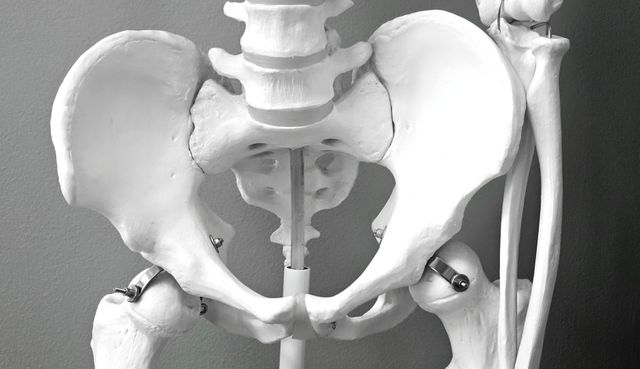
Hip replacements sit in something of a sweet spot. They are neither a last resort nor a knee-jerk reaction. They are the preferred option for people with severe osteoarthritis, avascular necrosis involving bone damage, or inflammatory arthritis that has severely damaged the joint. When conservative management can no longer provide meaningful relief, hip replacement becomes a realistic option. In Melbourne’s orthopaedic system, the conversation usually begins when pain is keeping you awake at night, everyday function remains limited despite non-surgical treatment, and imaging confirms significant joint damage. Once those criteria are met, the discussion becomes much broader than the operation itself. Your age, activity goals, general health, and the support available during recovery all become important parts of the decision-making process.
Total Replacement, Partial Replacement, and Resurfacing
Hip replacement Melbourne covers several different procedures. Understanding the differences helps make treatment recommendations much easier to follow. A total hip replacement removes both the femoral head and the acetabular surface before replacing them with prosthetic components. It is generally recommended for people with advanced hip arthritis. A hemiarthroplasty replaces only the femoral head. It is more commonly performed after hip fractures than as planned elective surgery. Hip resurfacing preserves more of the patient’s own bone by placing a cap over the femoral head instead of removing it completely. It is often considered for younger, larger, and more active patients who may require further surgery later in life.
What Implants Are Actually Made Of?
The materials used in a hip implant influence how it performs and how long it is likely to last. Since many implants remain in place for 10 to 20 years or longer, material selection is an important discussion. Ceramic-on-ceramic bearing surfaces produce very low levels of wear debris and have strong long-term performance data. They can, however, be associated with rare squeaking and a small risk of fracture under high-impact conditions. Metal-on-polyethylene remains the most commonly used combination. It has a long history of reliable performance. Over time, however, wear particles may contribute to bone loss, known as osteolysis, in some patients. Ceramic-on-polyethylene offers a middle ground. It combines the smoother wear characteristics of a ceramic head with the durability and flexibility of a polyethylene liner.
The Hospital-to-Home Transition
Most patients leave Melbourne hospitals three to five days after hip replacement surgery. Although that is enough time for many people, recovery is only beginning at that point. The first few weeks at home often determine how smoothly recovery progresses. Patients need practical strategies for moving around safely, using the bathroom, sleeping comfortably, and adapting to temporary movement restrictions. Discharge instructions should explain wound care, warning signs of blood clots, symptoms of infection, and how to manage pain medication safely. If anything unexpected develops after returning home, do not wait until the next scheduled appointment. Contact your treating team promptly so the problem can be assessed.
What a New Hip Allows Over Twenty Years?
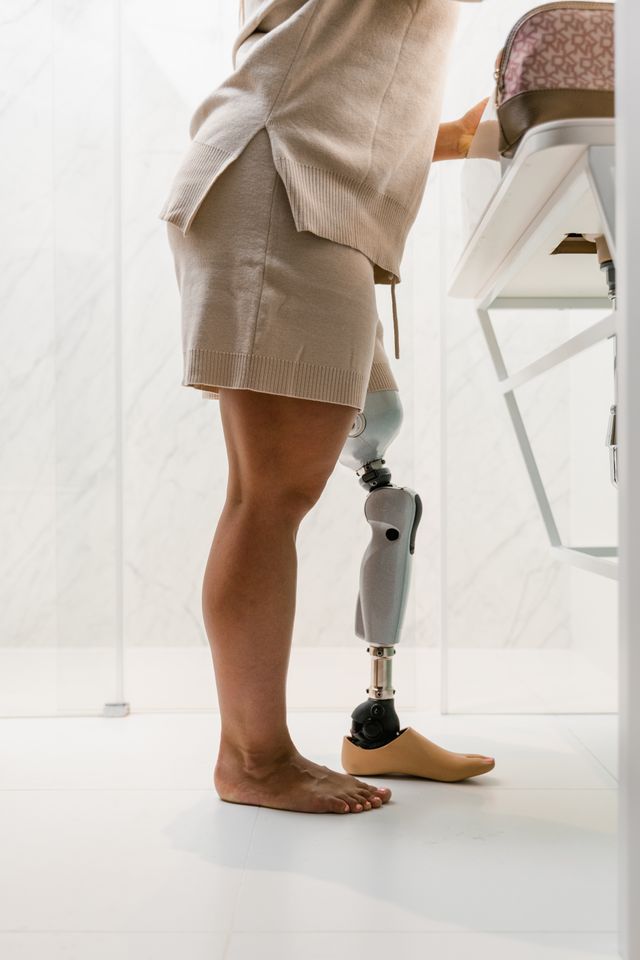
Modern hip replacements are delivering excellent long-term outcomes. For many active patients, current implants combined with modern surgical techniques can continue functioning well for more than 20 years. The expectations after surgery have also changed. Returning to activities such as swimming, cycling, and golf is now considered a normal goal rather than an exceptional outcome. Higher-impact activities require a different conversation. They may increase wear on the implant and should be discussed with your surgeon before returning to them. It is also important to recognise the warning signs that require medical review. Persistent pain, clicking or clunking in the joint, changes in leg alignment, or new difficulties with movement should be assessed rather than dismissed as part of normal ageing.