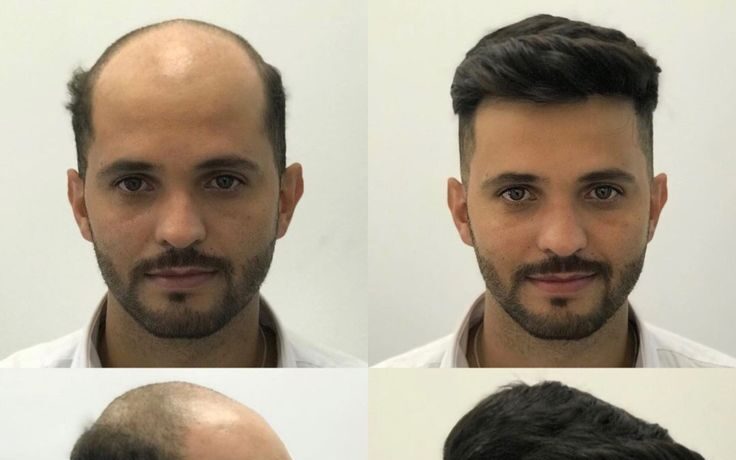
Hair loss can feel like an uphill battle for many. Whether it’s a gradual thinning or sudden shedding, losing hair is an emotional journey that affects self-esteem and confidence. There are numerous causes behind this condition, ranging from genetics to hormonal changes, stress, and even poor nutrition. With so many factors at play, it’s no wonder that people are searching for effective solutions.
In today’s world, the market is flooded with options—each promising miraculous results. From traditional shampoos to advanced surgical interventions, choosing the right path can be overwhelming. Join us as we explore popular methods for managing hair loss and help you navigate through this tangled web of treatment choices!
Traditional Solutions: Shampoos, Supplements, and Topical Treatments
Many people turn to hair loss treatments when facing hair loss. Shampoos designed for thinning hair often contain ingredients like biotin, caffeine, and ketoconazole. These aim to invigorate the scalp and strengthen existing strands.
Supplements are another popular choice. Biotin supplements have gained traction in recent years for their purported ability to enhance hair growth and improve overall health. Nutrients such as zinc, iron, and vitamin D also play vital roles in maintaining a healthy mane.
Topical treatments like minoxidil can be found over-the-counter or through prescriptions. This medication stimulates blood flow to hair follicles, making it a common go-to for those seeking more significant results.
While these options can work wonders for some individuals, they may not deliver the same results across the board. Personal experiences with these solutions vary widely based on individual biology and lifestyle factors.
Medical Interventions: Prescription Medications and Surgical Procedures
Prescription medications are a popular option for those experiencing hair loss. Finasteride, commonly known as Propecia, works by inhibiting the hormone responsible for shrinking hair follicles. Many users report noticeable regrowth after consistent use.
Another pharmaceutical approach is minoxidil, available over-the-counter and in prescription forms. This topical treatment stimulates blood flow to the scalp and can help revitalize dormant follicles. It’s easy to apply but requires ongoing commitment for desired results.
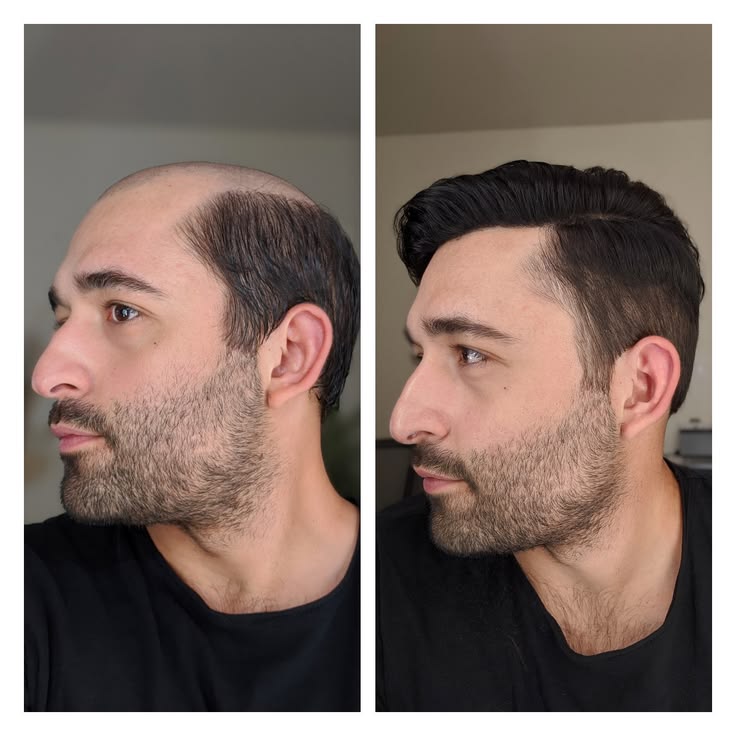
For more severe cases of hair loss, surgical procedures like hair transplants may be appropriate. Techniques such as Follicular Unit Transplantation (FUT) or Follicular Unit Extraction (FUE) move healthy follicles from areas with robust growth to thinning spots.
These medical options offer promising benefits but come with considerations like potential side effects and costs that vary widely based on individual needs and treatment plans. Consulting a qualified specialist can provide clarity on what might work best in each unique situation.
Alternative Approaches: Natural Remedies and Lifestyle Changes
For those looking to manage hair loss without pharmaceuticals, natural remedies can be appealing. Ingredients like rosemary oil and peppermint have been praised for their potential to stimulate hair growth. Massaging these oils into the scalp may enhance blood circulation, promoting healthier follicles.
Herbal supplements such as saw palmetto and ginseng are other options worth considering. Some believe these herbs can balance hormones that contribute to thinning hair. However, scientific support varies.
Lifestyle changes also play a crucial role in hair health. A balanced diet rich in vitamins and minerals—think biotin, zinc, and iron—supports strong strands from within. Staying well-hydrated is equally important; water helps maintain moisture levels in your body.
Stress management techniques like yoga or meditation can reduce cortisol levels that may lead to increased shedding. Prioritizing sleep creates an environment conducive to healing and rejuvenation for both mind and body.
Considerations for Choosing the Right Treatment Option
When it comes to managing hair loss, there are several factors to consider. First, assess the severity of your condition. Understanding how much hair you’ve lost and the speed at which it’s occurring can help guide your decision.
Next, think about your lifestyle. Some treatments require daily commitment or specific routines that may not fit into a busy schedule. Options like topical treatments might be easy for some but cumbersome for others.
Cost is another critical factor. Medical interventions often come with higher price tags than traditional solutions or natural remedies. Determine what you’re willing to invest in this journey.
You should also consult professionals if you’re exploring prescription medications or surgical options. A dermatologist can provide tailored advice based on your unique situation and medical history.
Don’t overlook personal preferences regarding treatment methods. Whether you prefer clinically proven prescriptions or more holistic approaches reflects who you are and what aligns with your values.
Finding the right path involves balancing effectiveness with personal comfort and practicality.