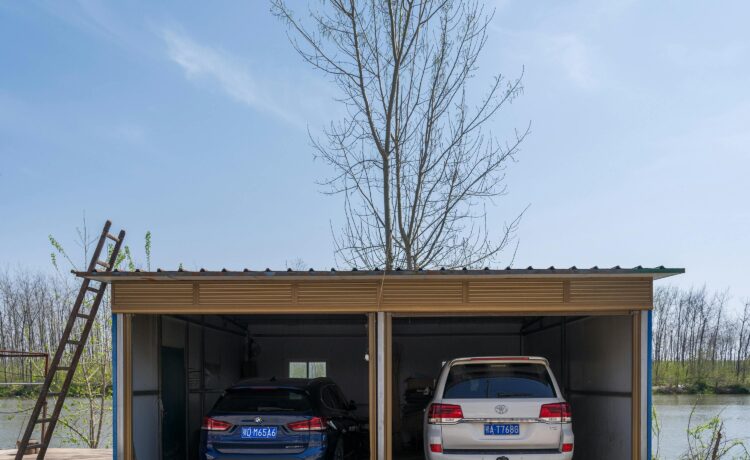
When it comes to protecting your vehicle, you have options. Two of the most popular choices are garages and carports. While they may seem similar at first glance, these structures serve different purposes and come with their own unique advantages. Whether you’re looking for a shelter from the elements or additional storage space, understanding the key differences between garages and carports can help you make an informed decision. Let’s dive into what sets them apart!
Design and Structure
Garages and carports differ significantly in design and structure. Garages are typically enclosed spaces with four walls, a roof, and a door that can be locked, offering complete protection from the elements. When considering how to decide between a garage and carport for your home and lifestyle needs, understanding these structural differences is essential, as it helps you choose the option that best suits your protection, security, and usage requirements.
Carports, on the other hand, are more open. Usually featuring just a roof supported by posts or columns, they offer shelter while allowing for airflow. This makes them less secure but easier to access.
The materials used also vary widely. Garages may utilize bricks, concrete slabs, or wood framing for sturdiness. Carports often use lighter materials like metal or fabric covers.
A garage can double as storage space or even a workshop due to its enclosed nature. In contrast, carports focus primarily on vehicle protection without additional utility features.
Each option caters to different needs and aesthetics based on property style and owner preferences.
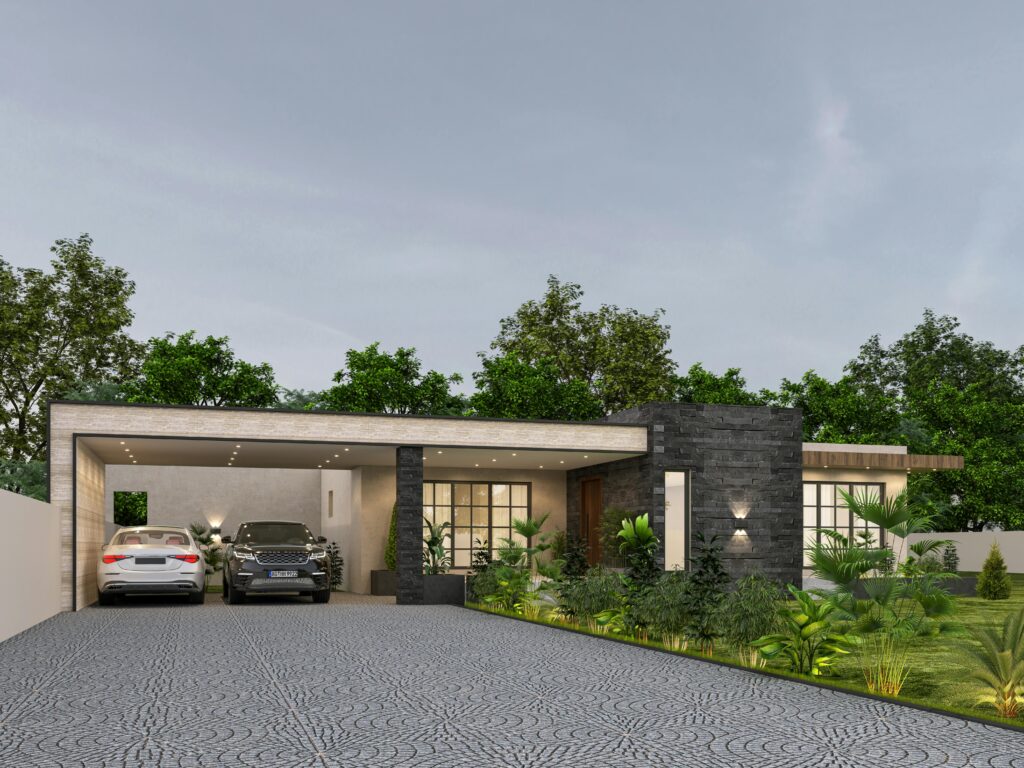
Purpose and Functionality
Garages and carports serve different purposes, catering to various needs. A garage is a fully enclosed space, ideal for protecting vehicles from harsh weather conditions. It offers security against theft and vandalism.
In contrast, carports provide simple shelter without walls. They are great for quick access and easy parking but lack the robust protection of a garage. This makes them suitable in milder climates where storms or heavy snowfall are rare.
Moreover, garages often double as storage areas or workshops, creating multifunctional spaces that can accommodate tools and equipment. Carports typically do not offer this versatility but can be customized with additional features like side panels or storage solutions.
Choosing between the two largely depends on how you prioritize protection versus convenience. Each option has distinct advantages reflecting your lifestyle and usage preferences.
Cost Comparison
When comparing costs, garages and carports offer distinct financial implications. A basic carport is often more budget-friendly. Typically made of metal or wood, these structures require less material than enclosed garages.
Garages come with higher upfront expenses. They involve not just construction materials but also labor costs for walls, roofing, and finishes. If you want insulation or electricity installed, that adds even more to the price tag.
Maintenance can also impact long-term costs. Carports usually need less upkeep due to their open design. Garages may require repairs on doors, roofs, and sometimes plumbing if water drainage becomes an issue.
Insurance premiums might differ too. Garages often provide better protection for your vehicle against weather elements and theft, potentially lowering insurance rates over time compared to a carport’s coverage options.
Permits and Regulations
When considering a garage or carport, it’s essential to understand the permits and regulations involved. Local building codes vary significantly by location. Often, garages require more stringent approval due to their permanent structure and potential impact on zoning laws.
Carports generally have fewer requirements since they’re often considered temporary structures. However, this can change based on local policies and whether the carport is attached to your home or free-standing. Always check with your local municipality before making any decisions.
Some areas might need you to submit plans for review, while others might only require a simple notification of intent. It’s smart to gather all necessary information beforehand; this helps avoid costly delays later in the process.
Understanding these aspects will guide you toward making an informed choice that aligns with your needs and adheres to legal standards. Balancing practical considerations with regulatory compliance ensures smooth sailing as you enhance your property with either option.