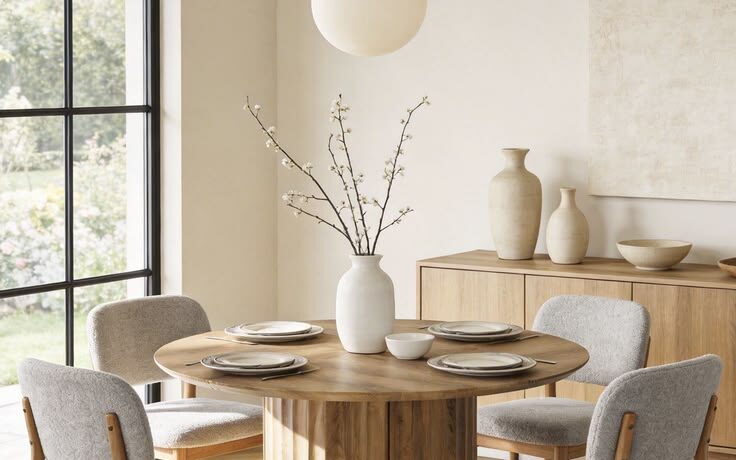
Gather around! There’s something special about sharing a meal at the dining table. It’s more than just a piece of furniture; it’s the heart of our homes. From family gatherings to cozy dinners with friends, these tables set the stage for connection and conversation.
While rectangular tables have dominated the scene for ages, round dining tables are making waves in modern design. Among them, six-person models stand out as perfect spots for fostering engagement and interaction. So why does this shape matter? Let’s delve into history and explore how round dining tables can transform your mealtime experience into something truly memorable.
The History of Dinning Tables
round dining table for 6 have a rich history that stretches back to ancient civilizations. In those early days, meals were enjoyed on the floor or at simple makeshift surfaces. The Romans introduced more structured dining experiences with triclinium, a three-sided couch arrangement where guests reclined while eating.
As time progressed, medieval Europe saw heavy wooden tables emerge in castles and homes. These sturdy pieces were often communal, designed for shared feasting during celebrations.
The Renaissance brought elegance into dining spaces, with ornate carvings and intricate designs becoming popular among the wealthy. This period emphasized not just functionality but also aesthetics.
By the 19th century, industrialization changed everything. Mass production allowed furniture makers to create diverse styles of tables accessible to various social classes, making dining a central part of home life across different cultures.
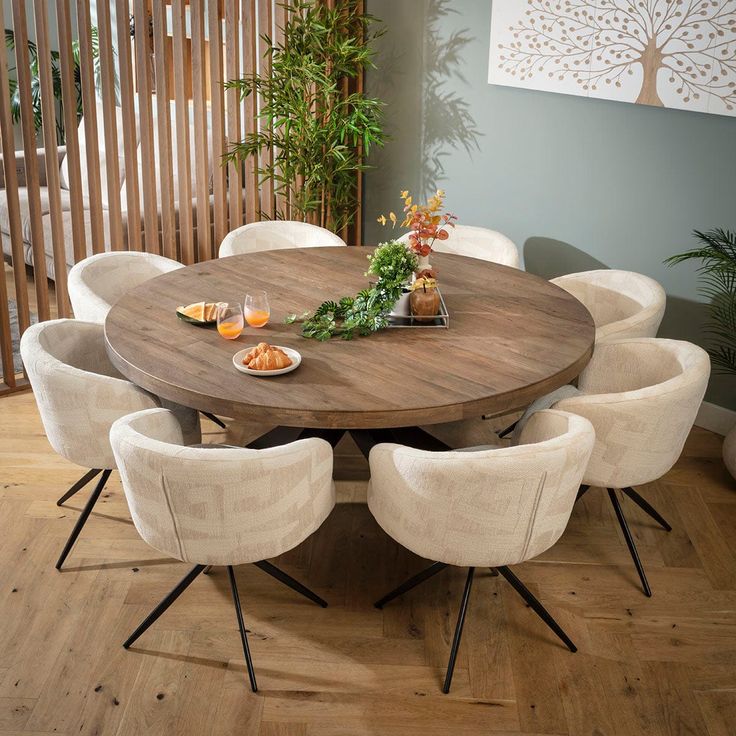
The Rise of Round Dinning Tables
Round dining tables have surged in popularity over the past few decades. Their unique shape offers a fresh alternative to traditional rectangular designs. This shift reflects changing social dynamics and our embrace of more casual, intimate gatherings.
People are drawn to the way round tables create a sense of inclusivity. Everyone is facing each other, fostering eye contact and interaction. It’s easier to engage with everyone at the table when there are no corners that separate diners.
Design trends also play a role in this rise. As open-concept living spaces become common, round tables fit seamlessly into these environments. They occupy less space visually while still accommodating groups comfortably.
In addition, many homeowners appreciate their versatility for various occasions—from family meals to celebrations and everything in between. Round tables invite creativity with decor and styling, making them an appealing choice for modern homes.
Benefits of 6 Round Dinning Tables
Six round dining tables offer a unique blend of functionality and style. Their design promotes intimacy, making every meal feel special. Guests can easily engage with one another, fostering connections.
These tables are space-efficient, fitting snugly in various settings without overwhelming the room. The circular shape allows for more flexibility in arranging chairs and accommodating guests compared to traditional rectangular designs.
Visually, round tables soften the hard lines often found in dining spaces. They create a warm atmosphere that invites conversation and laughter.
Moreover, they’re great for families or groups because everyone is equally positioned to share stories and experiences. This setup encourages eye contact and participation from all diners—no one feels left out or sidelined.
Cleaning becomes easier too; there are no corners collecting crumbs or dust! This practicality adds another layer of appeal to round dining setups.
How Round Tables Encourage Better Conversations
Round tables create an inviting atmosphere that fosters connection. With no head of the table, every guest feels equal and valued. This equality encourages openness.
Seating arrangements at round tables promote eye contact. Every person can easily see each other, which makes discussions more engaging. Body language becomes a powerful tool in communication when everyone is within reach.
Moreover, the circular shape invites inclusivity. It naturally draws people together, breaking down barriers often created by rectangular or square designs. Conversations flow effortlessly as people lean in and share stories.
The layout also enhances intimacy among diners. It facilitates smaller group discussions within larger gatherings, allowing different conversations to blossom simultaneously without feeling chaotic.
A round table encourages collaboration too; ideas bounce around freely like a game of catch. Everyone has a chance to contribute, making it easier to build on thoughts collectively and explore new perspectives.
Alternatives to Traditional Dining Tables
As more people embrace casual dining and flexible spaces, various alternatives to traditional dining tables have emerged. Whether you’re looking for a unique piece that reflects your style or simply need something more versatile, there are plenty of options available.
One popular choice is the bistro table. With its smaller size and charming design, a bistro table can easily fit into cozy nooks or patios while still providing an intimate setting for meals. Ideal for two or three people, it encourages close conversation without distractions.
Another alternative is the extendable dining table. This option provides versatility that can’t be overlooked. On regular days, you can keep it compact and personal; when guests arrive unexpectedly, it expands to accommodate everyone comfortably. It’s perfect for those who love hosting but don’t want a large piece dominating their space daily.
For those who prefer a relaxed atmosphere, coffee tables with comfortable seating arrangements can serve as informal dining solutions. Pairing low tables with floor cushions invites creativity in how we gather over food and drinks—allowing conversations to flow freely in laid-back settings.
Consider modular furniture pieces that adapt to your needs. These innovative designs allow you to reconfigure your setup based on the occasion—be it family dinners or game nights with friends—making each gathering feel fresh and exciting.
With so many options available today beyond traditional dining tables, creating inviting spaces where meaningful conversations happen has never been easier.