Budget 2026-27 allocates $93,000 for Horseshoe Bend community garden in Keilor, Victoria. While making an announcement, the state’s Environment Minister emphasised that access to green space is necessary for mental health and not optional. It cannot be considered a policy, but the rationale behind the grant goes much further. A courtyard, a balcony or even a small patch of soil can provide much more than it may look like.
The Shrinking Backyard
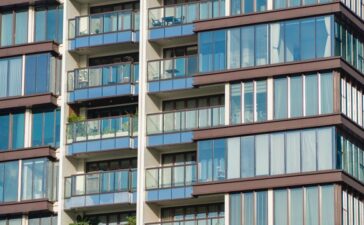
Modern Melbourne homes often have gardens in the form of courtyards or balconies rather than spacious backyards. People have learned to use pots, raised beds, grow bags and frames. Six large pots on the balcony can produce fresh herbs, salad leaves and cherry tomatoes all the way through the summer. All gardening supplies including seeds, pots and compost are available in the city from local nurseries and gardening stores such as Gardening Direct Melbourne. Every inch of the small garden requires proper planning and design. To understand how light falls at 9 am, at noon and at 3 pm is the simplest way to plan the garden.
Understanding Melbourne’s Seasons Honestly
The well-known reputation of four seasons per day in Melbourne is justified. The frosts can stay even in spring in the suburbs and outer areas of Melbourne, which makes people patient when starting planting. Though warm days in spring can make you start planting too early, a late frost will ruin all efforts in one night. Different microclimates of the city also play an important role in growing vegetables as sunny sides stay warmer and shady sides, cooler. In addition, gardening instructions for Sydney or Brisbane can mislead Melbourne gardeners. It is better to keep a garden diary and write down planting days and results.
Gardening & Your Community: The Health Connection
The Victorian Government has finally come around to realising that green spaces are more than just a pretty add-on; they’re also important for your wellbeing. Community gardens have a way of bringing people together that private backyards just can’t match. With a garden you get to put a face to a name because you’re surrounded by your neighbours, whether they rent, have retired or are raising a family. Kids are a big winner too; a garden gives them a patch of soil to call their own, breaking up the endless screen time.
There’s definitely some compelling evidence showing that spending time in nature does you the world of good, but be realistic about the role that gardening plays here. Being in the great outdoors, getting some moderate exercise and the satisfaction of eating something you’ve grown yourself all probably play a part. The state’s Better Health Channel is spot on in saying that regular gardening can help build strength, boost your mobility and endurance. And let’s be clear, gardening is no substitute for proper professional care, but it can be a low-cost, steady habit to complement your existing routine.
So What Makes the Cut in a Small Garden
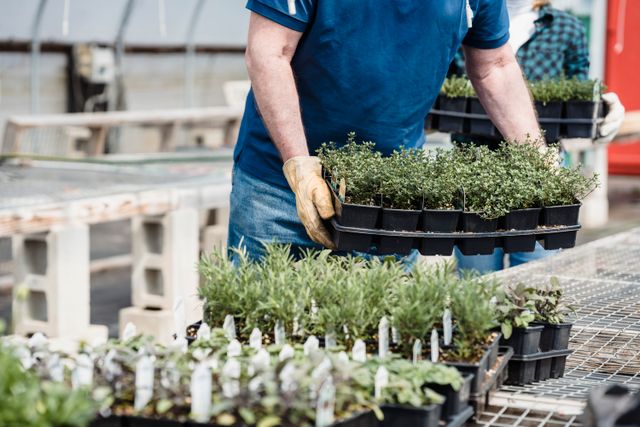
Top of the list has to be herbs; you can get a small pot of basil or parsley that’ll keep giving you plenty of fresh flavour for weeks on end, and that’s more than you can say for a packet of supermarket herbs. And leafy greens like salad mix will regrow after you’ve harvested them, so a single sowing can keep you in greens for weeks. Cherry tomatoes need a lot of sunshine and a bit of support, but a big pot will give them the room they need to thrive. For maximum use of space, try climbing beans and peas; they’ll make the most of that vertical space and leave the soil below free for other crops.
Flowers are also worth making room for; they’re great for pollinators and a bit of colour never hurts anyone. If you live in Melbourne, look for native plants that’ll thrive in the local climate; they often need less watering once established. But don’t be tempted to cram your garden with too many plants; it’s the classic beginner mistake, so do take the spacing advice on seed packets seriously. If you’ve got pets, make sure to check the plant labels too; some common garden plants are toxic to dogs and cats.
Starting from Seed: A Beginner’s Guide
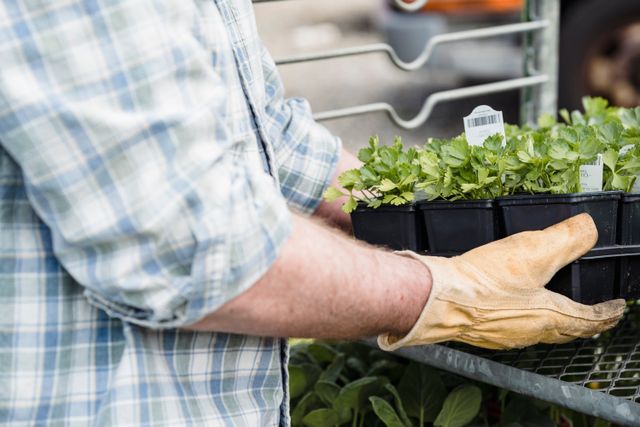
Starting with seeds is a great way to save money; a packet of seeds is a fraction of the cost of a bunch of seedlings, and often a single packet can fill a whole bed. You don’t need much to get started; just a sunny windowsill, a tray of seed-raising mix, and a spray bottle. All that’s required for your seeds to germinate is a bit of light, gentle warmth and steady moisture; nothing more exotic than that. When your seedlings start to stretch and flop, it’s a sign that they want a bit more light; a pretty common discovery early on. To get them ready for outdoor life, just harden them off by taking them outside for longer each day; it’ll help prevent them getting shocked when you plant them.
The Soil Is Where It’s At, Before You Even Think About Plants
Poor soil will bring any garden down faster than any poor plant choices ever will. Melbourne’s got a lot of clay soil, which holds water but can be a bit of a nightmare to deal with; it compacts easily and will need to be loosened up with compost, aged manure or mulch over several seasons. It won’t happen overnight, but it will pay off in the long run.
Keeping Your Garden Alive When Life Gets Busy
Gardens don’t fail because you love them too much; they fail because you don’t have a regular routine to keep them going. Spend 15 minutes two or three times a week on watering, weeding and checking for pests, and you’ll do a lot better than trying to cram in a whole weekend’s worth of gardening in one go. Mulch is your friend in this regard; it keeps the weeds down and holds moisture in the soil. Watering deeply but less often will help your plants cope better with dry spells too. Protect your crops with netting and keep an eye on your leaves, and you’ll usually catch most pest problems early on.