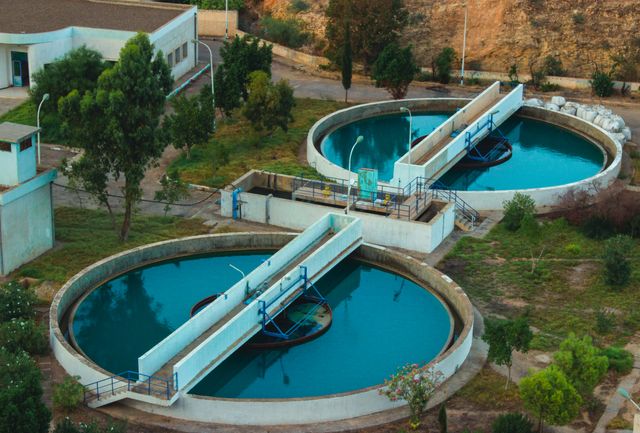
At the end of a busy night in a commercial kitchen, the chefs wipe down benches, the dishwasher hums through its final cycle and the floors are mopped clean. What most people never think about is where all that greasy water goes. Fats, oils, food scraps and cleaning chemicals do not simply disappear. If they are not managed properly, they can clog pipes, damage sewer systems and harm the environment.
Restaurants, cafés, food manufacturers, car washes, mechanics and many other businesses produce liquid waste that needs careful handling. For owners and operators, it is worth taking time to explore commercial liquid waste services and understand their obligations, because getting it wrong can lead to blockages, fines and unpleasant odours.
The problem with fats, oils and grease
When hot fats and oils are poured down the drain, they may seem harmless because they are liquid. But as they cool, they solidify and stick to pipe walls. Over time, they combine with food particles and other debris to form blockages.
In sewer systems, these accumulations can grow into large masses that restrict flow and cause overflows. Cleaning them out is expensive, and businesses may be held responsible if their waste contributes to the problem.
Grease traps explained
Many food businesses are required to install grease traps, also known as grease arrestors or interceptors. These devices sit between kitchen drains and the sewer, slowing wastewater down so fats and oils float to the top and solids settle at the bottom. Cleaner water then flows out to the sewer.
Grease traps must be pumped out and cleaned regularly. If they are not maintained, they can overflow, produce strong odours and fail to do their job.
Who regulates liquid waste?
Liquid waste is regulated by a combination of water authorities, environmental agencies and local councils. Requirements vary between states and regions.
Businesses discharging trade waste into the sewer usually need a trade waste agreement or permit from their water authority. These agreements may set limits on what can be discharged and require pre-treatment such as grease traps.
Liquid waste that cannot go into the sewer must be collected and transported by licensed contractors to approved treatment facilities.
Other types of commercial liquid waste
Grease is only one type of liquid waste. Businesses may also generate oily water from workshops, wash bay runoff, chemical waste, contaminated stormwater and industrial process water.
Each type has its own handling and disposal requirements. Some waste is classified as hazardous and must be tracked from the point of generation to final disposal.
Signs your system needs attention
Common warning signs include slow-draining sinks, unpleasant smells near drains or grease traps, overflowing pits, gurgling pipes and visible grease or sludge around drainage points.
Ignoring these signs can lead to costly emergency callouts and disruption to business operations.
Best practices for businesses
Simple habits make a big difference. Scrape food scraps into bins before washing dishes. Collect used cooking oil separately for recycling rather than pouring it down drains. Use sink strainers to catch solids.
Train staff on correct procedures and post clear signage in kitchens and wash areas. Keep records of grease trap cleaning and waste collections, as authorities may request them during inspections.
Choosing a waste partner
A reliable liquid waste contractor can help businesses stay compliant and avoid problems. Look for licensed operators with experience in your industry, flexible scheduling, emergency response capability and clear documentation.
Regular servicing schedules tailored to your business volume can prevent overflows and keep systems running smoothly.
Environmental responsibility
Proper liquid waste management protects waterways, beaches and ecosystems. Many liquid wastes can be treated and recovered. Used cooking oil, for example, can be recycled into products such as biodiesel.
Customers and communities increasingly expect businesses to take environmental responsibilities seriously.
Keeping costs under control
Liquid waste management is a necessary cost, but there are ways to keep it reasonable. Matching service frequency to actual volumes avoids paying for unnecessary pump-outs, while preventing overflows that lead to emergency callouts. Good kitchen habits, such as scraping plates and collecting used oil separately, reduce the load on grease traps. Regular maintenance also extends the life of pits and pipes. Reviewing service records each year with your contractor can reveal whether your schedule is still the right fit as your business grows or changes.
Out of sight, not out of mind
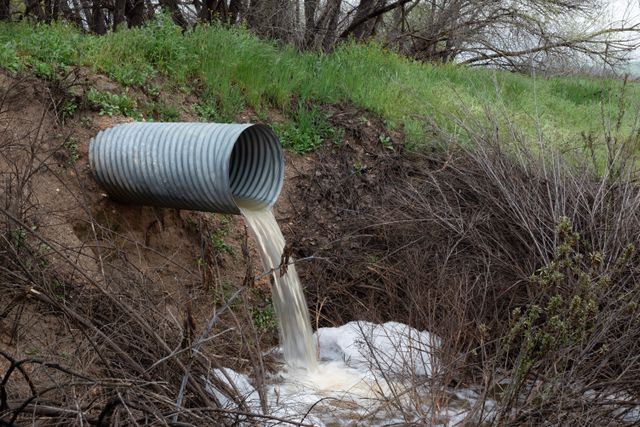
Liquid waste may disappear down the drain, but its impact continues long after. Understanding where it goes, maintaining equipment and working with qualified service providers helps businesses protect their operations, comply with regulations and do the right thing for the environment.