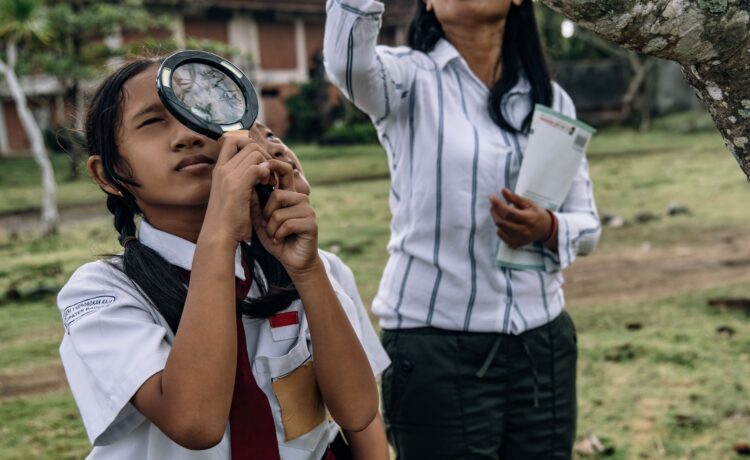
School trips are more than just a break from the classroom; they are gateways to adventure and discovery. These excursions offer students unique opportunities to engage with their surroundings, bond with peers, and learn in ways that textbooks simply cannot replicate. Imagine exploring historical sites where pivotal events occurred or venturing into nature to study ecosystems up close. Each trip holds the potential for enriching experiences that can spark curiosity and inspire lifelong learning.
With careful planning and intentionality, school trips can transform into lasting educational journeys. They allow students not only to step outside of their comfort zones but also encourage them to embrace new perspectives. Let’s explore how we can turn these outings into unforgettable lessons that resonate well beyond the final bell on the last day of school.
Incorporating Curriculum: How to Make the Trip Educational
Planning a school trip offers an incredible opportunity to blend fun with learning. Choosing the best school camp learning experience can help schools align activities with curriculum goals. If you’re studying history, visit a local museum where students can engage directly with artifacts.
Incorporate pre-trip lessons that spark curiosity. Encourage students to research destinations ahead of time. This builds anticipation and deepens understanding.
During the trip, facilitate discussions on specific topics relevant to what they’re learning in class. Ask open-ended questions that provoke thought and reflection.
Utilize worksheets or journals for students to document their experiences throughout the trip. These tools help reinforce concepts and allow for personal connections to the material.
Engage local experts or tour guides who can elaborate on subjects related to your curriculum, providing insights beyond textbooks. Their passion often ignites interest in students, bridging classroom knowledge with real-world applications.
Hands-On Learning: Experiential Activities for Students
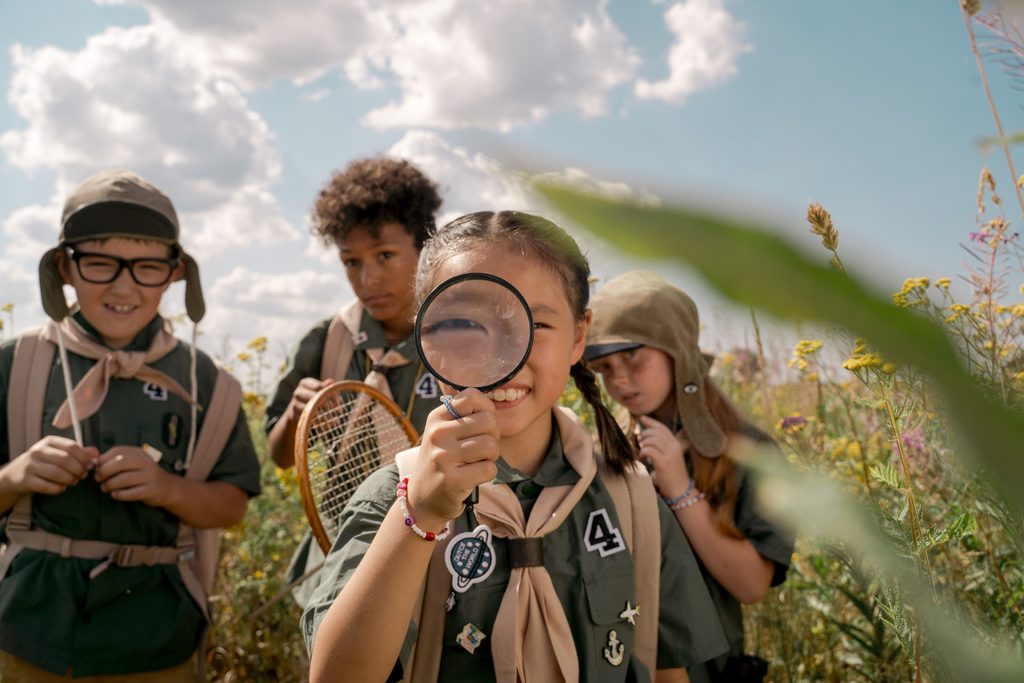
Hands-on learning transforms the way students engage with their environment. It’s about moving beyond textbooks and diving into real-world experiences.
Imagine a science trip where students conduct experiments at a local lab. They can witness chemical reactions firsthand, making theoretical concepts tangible and memorable.
Art excursions provide another avenue for exploration. Students might visit galleries or studios, creating their own masterpieces inspired by what they see. This fosters creativity while reinforcing art history lessons.
Nature hikes offer opportunities to study ecosystems up close, allowing learners to understand biodiversity through observation and interaction.
By participating in community service projects during trips, students develop empathy and social responsibility. Working alongside others teaches teamwork while giving back to the community.
These experiential activities ignite curiosity and deepen understanding, making school trips truly unforgettable adventures filled with lasting impacts on young minds.
Cultural Immersion: Embracing Diversity and New Experiences
Cultural immersion transforms a school trip into an unforgettable adventure. Students step outside their familiar environments and dive into new cultures, broadening their horizons.
Exploring local traditions helps foster appreciation for diversity. Taste-testing traditional foods or participating in regional festivals opens doors to understanding different ways of life.
Language plays a crucial role too. Engaging with locals allows students to practice language skills while learning common phrases that resonate beyond textbooks. It’s about real-world application and connection.
Art, music, and dance offer another layer of experience. Workshops led by local artisans can spark creativity and inspire passion in students. They discover the stories behind every craft and performance.
Encouraging curiosity during these encounters nurtures empathy among peers. Embracing differences cultivates respect and enriches personal growth—a vital lesson extending far beyond the classroom walls.
Budgeting and Fundraising Tips for School Trips
Budgeting for a school trip can feel like a daunting task, but with some careful planning and creativity, it can be manageable. Start by determining the total cost of the trip, including transportation, accommodation, meals, entrance fees, and any additional expenses. Create a detailed budget breakdown to keep track of each category.
Next, consider ways to fundraise. Get students involved in generating ideas that resonate with them. Bake sales and car washes are classic options that can bring in funds while teaching teamwork. Additionally, crowdfunding platforms allow parents and community members to contribute easily online.
Don’t forget about grants! Research local organizations or foundations that offer funding for educational trips. Many businesses also support schools through sponsorship opportunities; reaching out may yield surprising results.
Encourage families to plan ahead as well. Setting up payment plans allows them to spread costs over several months rather than paying everything upfront.
With thoughtful budgeting and creative fundraising strategies in place, school trips can transform into enriching experiences without financial stress weighing down the journey ahead. Embrace this opportunity to inspire learning outside the classroom while fostering connections among students and their communities.