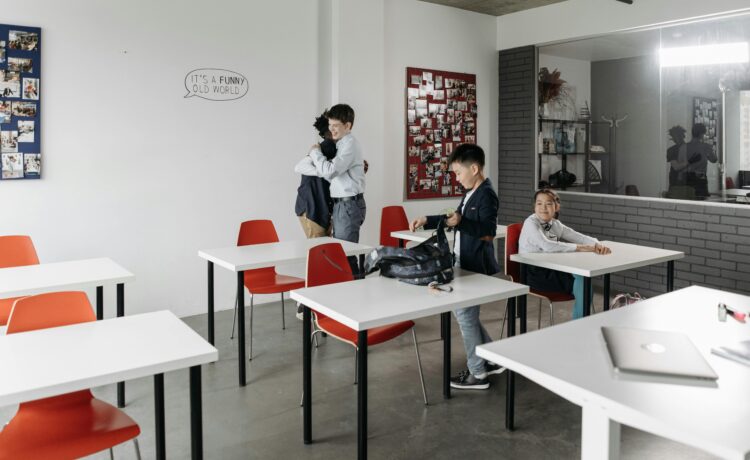
Classroom design has come a long way, and one essential piece of this puzzle is the chair. Gone are the days of rigid, uncomfortable seats that send students squirming during lessons. Today’s modern classrooms require chairs that foster creativity, collaboration, and comfort. But what truly makes a great chair for educational environments? Let’s dive into the evolution of classroom seating and explore how it shapes learning experiences in today’s schools.
The Evolution of Classroom Chairs
school chair have transformed significantly over the decades. Early designs were often simple wooden stools or rigid desks with attached seats, limiting movement and comfort. Students spent long hours perched on these unforgiving surfaces, contributing to distraction and discomfort.
As educational philosophies evolved, so did the understanding of how seating impacts learning. The introduction of molded plastic chairs in the mid-20th century allowed for more ergonomic designs that could support various postures.
Today’s classroom furniture embraces flexibility and adaptability. Chairs now come with wheels for easy mobility, adjustable heights to accommodate different ages, and even collaborative features that encourage group work.
This evolution highlights a shift towards prioritizing student well-being and engagement in the learning process. Modern classrooms are about creating environments where students can thrive—and it all starts with their seating choices.
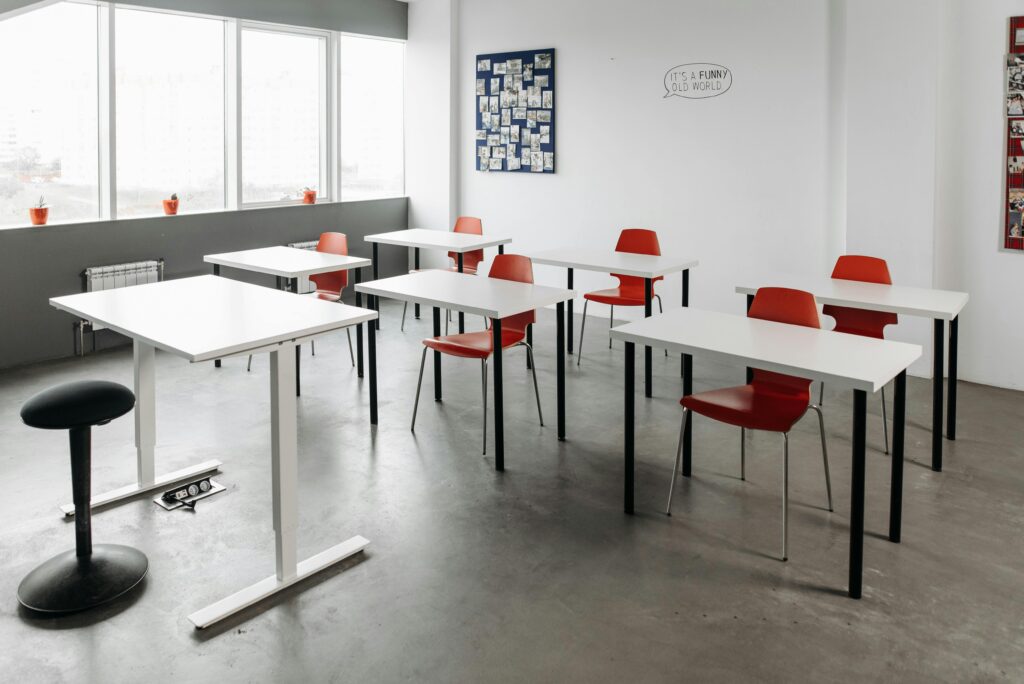
The Importance of Comfort and Ergonomics
Comfort and ergonomics play a vital role in the learning environment. When students are comfortable, they can focus better on lessons rather than shifting their weight or adjusting their posture.
Ergonomic designs encourage healthy sitting habits. Chairs that support the natural curve of the spine help reduce back strain during long study sessions. This is essential, especially as students spend hours seated in class each day.
A well-designed chair can boost concentration and engagement. If students feel physically supported, they’re more likely to participate actively in discussions and activities.
Moreover, comfort contributes to overall well-being. Happy students tend to be more productive, making it critical for classroom furniture to promote both health and productivity simultaneously. Investing in ergonomic chairs is not just about aesthetics; it’s about creating an optimal learning space where every student can thrive comfortably.
Features to Look for in a Modern Classroom Chair
When selecting a modern classroom chair, prioritize adjustability. Chairs that can be modified for height and tilt cater to diverse student needs.
Look for lightweight designs. Easy-to-move chairs foster collaboration among students during group activities.
Consider materials carefully. Breathable mesh or durable plastic not only enhance comfort but are also easy to clean and maintain—perfect for busy classrooms.
Stability is crucial; choose chairs with sturdy bases to prevent tipping. Casters can add mobility, yet they should lock in place to ensure safety during lessons.
Aesthetic appeal shouldn’t be overlooked. Vibrant colors and contemporary styles can inspire creativity and engagement within the learning environment.
Budget-Friendly Options vs. High-End Designs
When it comes to classroom chairs, budget-friendly options can provide decent functionality without breaking the bank. These chairs often prioritize basic comfort and durability, making them suitable for everyday use in a bustling classroom environment.
On the other hand, high-end designs bring a touch of innovation and style. They incorporate advanced ergonomics, superior materials, and customizable features that cater to individual student needs. Investing in such chairs can enhance learning experiences by promoting better posture and engagement.
However, it’s essential to consider the long-term value of each option. While lower-priced models may seem appealing initially, they might not withstand wear and tear as effectively as their pricier counterparts.
Balancing cost with quality becomes crucial for schools looking to optimize their learning spaces while remaining mindful of budgets. The right chair should reflect both practical needs and an environment conducive to growth.
Student Feedback and Teacher Recommendations
When it comes to selecting the best chairs for modern classrooms, student feedback and teacher recommendations play a vital role. After all, those who use the chairs every day have valuable insights.
Students often emphasize comfort as their top priority. They want chairs that allow them to focus on learning without being distracted by discomfort. Many students appreciate flexible seating options that cater to different learning styles and preferences. Chairs that promote collaboration and movement can enhance engagement during group activities.
Teachers also weigh in on what makes an effective classroom chair. They look for durability since school furniture endures daily wear and tear. Additionally, teachers value lightweight designs that are easy to rearrange based on lesson plans or classroom activities.
Many educators suggest involving students in the selection process. When they feel part of choosing their furniture, they’re more likely to take care of it while appreciating its benefits.
Creating an environment conducive to learning requires thoughtful consideration of many factors—including chair design and functionality—making input from both students and teachers essential in the decision-making process.