Patient lifting can be a daunting task, both for caregivers and those being lifted. As the demand for safe patient handling grows, so does the importance of choosing the right equipment. Among these tools, slings play a crucial role in ensuring comfort and security during transfers. The right sling not only eases the physical burden on caregivers but also enhances safety and dignity for patients.
Navigating through various options can feel overwhelming. With different types available and numerous factors to consider, making an informed choice is essential. This guide will help you understand how to select safe and supportive slings that cater to both caregiver needs and patient comfort. Let’s dive into what makes a sling truly effective!
The Importance of Safe Patient Lifting
Safe patient hoist slings is vital in healthcare settings. It not only protects caregivers from injury but also enhances the overall experience for patients. When lifts are done improperly, both parties face risks of harm.
Injuries sustained during lifting can lead to long-term health issues for caregivers. Strained backs and musculoskeletal disorders are common consequences that can result in lost work time and increased medical costs.
For patients, safety goes beyond physical well-being. A secure lift fosters trust between the caregiver and the individual receiving care. Feeling safe during transfers boosts their confidence and dignity.
Using appropriate equipment like slings ensures that weight distribution is even, reducing strain on both users involved in the process. Proper techniques create a smoother transfer experience, making it easier for everyone while minimizing anxiety or discomfort associated with movement.
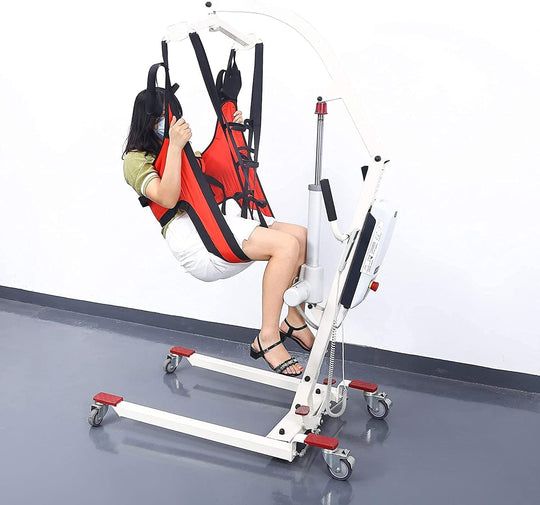
Understanding the Different Types of Patient Slings
Patient slings come in various types, each designed for specific lifting needs. Understanding these differences is crucial.
Transfer slings are common for moving patients from a bed to a wheelchair. They offer basic support while ensuring safety during transfers.
There are also full-body slings that provide head and neck support. These are ideal for individuals with limited mobility or those who require extra assistance.
U-shaped slings focus on the hips and legs, offering stability while allowing more movement of the upper body. They’re great for active patients needing help but still wanting independence.
For bathing or hygiene tasks, wet-use slings are specially designed to be water-resistant and quick-drying, making them practical in restroom environments.
Choosing the right type of sling depends largely on patient needs and circumstances. Each option has its unique advantages tailored to different scenarios.
Factors to Consider When Choosing a Sling
When selecting a sling for patient lifting, several key factors come into play. First, assess the patient’s specific needs and physical condition. Different slings cater to various mobility requirements.
Next, think about the environment where the sling will be used. A clinical setting may require different features compared to home care. Consider whether you need a versatile option that works in multiple locations.
Weight capacity is another critical aspect. Each sling has a maximum weight limit, so ensure it safely accommodates your patient without risk of failure.
Don’t overlook comfort as well. A well-padded and ergonomically designed sling can significantly enhance the experience for both caregiver and patient.
Check compatibility with lifting devices or hoists. The right match ensures safety and ease of use during transfers.
Choosing the Right Size and Material
Choosing the right size and material for patient slings is essential for both safety and comfort. A properly sized sling ensures that the patient is securely supported during lifting, reducing the risk of injury. Always measure the patient’s height and weight to find a suitable fit.
Material plays a crucial role as well. Look for slings made from breathable fabrics to enhance comfort, especially during prolonged use. If the patient has sensitive skin or allergies, consider hypoallergenic materials.
Durability matters too; look for reinforced stitching to withstand daily wear and tear without compromising safety. Waterproof options can be beneficial in situations where hygiene is a concern.
Think about ease of cleaning. Slings that are machine washable will save time and effort while maintaining proper hygiene standards.
Common Mistakes to Avoid
When selecting slings for patient lifting, it’s easy to overlook some key aspects. Being aware of common mistakes can help ensure safer and more effective use.
One frequent error is underestimating the importance of proper training. Staff should be educated not only on how to use slings but also on recognizing when a sling is appropriate for a specific situation. This knowledge can prevent accidents and injuries.
Another mistake is neglecting the maintenance and inspection of slings. Regular checks for wear and tear are crucial in ensuring that each sling remains safe to use over time. A damaged sling can compromise safety, so routine inspections should never be skipped.
Additionally, many caregivers choose slings based solely on cost rather than quality or suitability. While budget constraints are understandable, investing in high-quality equipment designed specifically for patient lifting pays off significantly in terms of safety and durability.
Failing to involve patients in the selection process is another oversight. Patients often have their own preferences regarding comfort and support during transfers; respecting their input fosters trust between caregivers and patients.
Ignoring manufacturer guidelines when using a sling can lead to improper usage scenarios that jeopardize safety. Always refer back to these instructions before attempting any lift with a new or unfamiliar product.
By being mindful of these common pitfalls, you’ll enhance both the effectiveness of your patient-lifting practices and the overall well-being of those you care for.