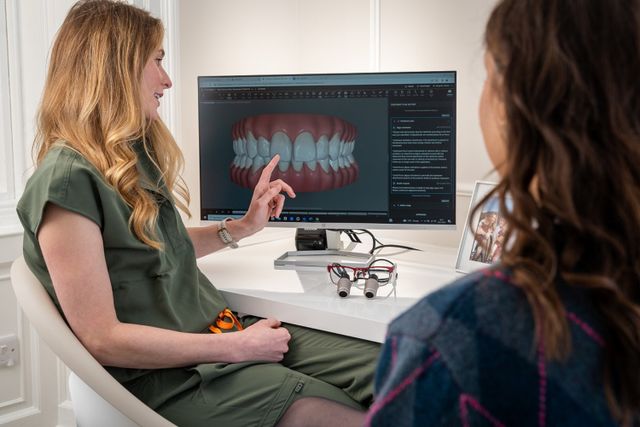
Digital Smile Design (DSD) is giving cosmetic dentistry a shake-up by ditching the old ‘I’ll just use my best judgement’ approach and embracing data-driven visualisation to drive every treatment plan from now on. This brilliant tool was first conjured up as a way to marry up the art of facial aesthetics with dental proportions and digital imaging, basically, a clever way to shoot for the perfect smile. But here’s the magic bit: DSD lets dental pros create virtual simulations of proposed treatments right before they even start working on anything tangible. It’s happening all over the place in Australia, where the adoption of digital workflows like intraoral scanners, CAD/CAM systems and 3D imaging tech is taking DSD to a whole new level in cosmetic and restorative dental clinics.
How Digital Smile Design Cracks Treatment Planning?
For years, cosmetic dentistry’s been reliant on a bit of guesswork, taking physical impressions, snapping some pics and making an educated guess on the treatment plan. But Digital Smile Design brings a rather more structured approach into the mix, by rolling facial analysis, digital camera work, video recordings, and three-dimensional scans into one neat package. This means dentists can knock off their to-do lists for evaluating tooth proportions, lip movement, facial symmetry and smile aesthetics all at once. The reason for this change of pace? More and more patients in Australia are demanding to see what they’re going to end up with before they commit to treatment. This will enable the patients to get more information about their treatment process and even help them to make a booking only after being shown real images.
Under the Hood: The Tech Behind Digital Smile Design
Digital Smile Design relies on a team of clever techs working together to make it all happen. Intraoral scanners, for example, churn out incredibly accurate digital impressions. No more popsicle sticks and goo for your average dentist to wrestle with. A huge multinational survey recently polled 1,072 dental pros, and nearly 79% of them said they were already making use of intraoral scanners every single day. That’s digital dentistry all right. And with 51.5% of dentists using them multiple times a day, you can bet those digital impressions are making life a lot easier for everyone involved. After all, no more mucking about with messy physical moulds means a much faster and more efficient process for clinics.
CAD/CAM tech does the rest of the hard work, by taking away the need for tedious model making, allowing dentists to get on with the job at hand rather than faffing about with inaccurate casts of what’s going on inside someone’s mouth. More and more dentists (and dental technicians) are jumping on the CAD/CAM bandwagon, with a whopping 59% of surveyed dentists and 87% of dental techs already using the system. That’s a pretty clear indication that digital workflows are here to stay.
Why DSD Stands Out from the Rest: Accuracy, Patient Experience & Efficiency
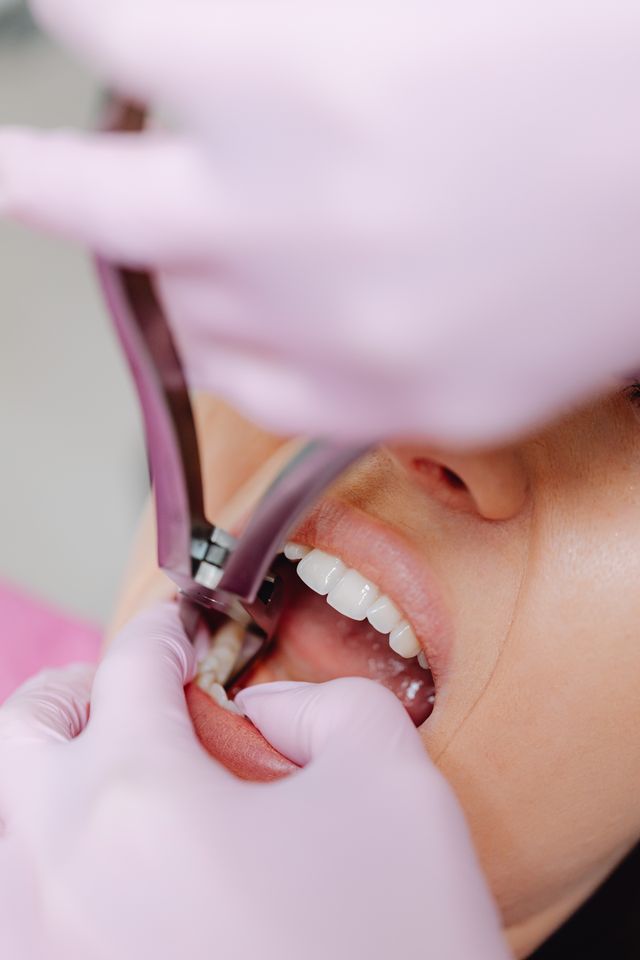
One of the main selling points of Digital Smile Design is how much more predictable the whole process is compared to traditional methods. That’s not even counting the fact that digital scans get rid of all the pesky variables like model distortion and transportation issues that can happen when dealing with physical impressions.
Some research into digital dental workflows found that 68% of clinics that went down the CAD/CAM route ended up gaining significant operational benefits, with 57% saying they saw improved workflow speeds, and 49% reporting a reduction in procedure time of up to 35%. It’s no wonder that digital scanning is getting a thumbs-up all around. Boosting accuracy by 52% and cutting the need for remakes and rework by a whopping 38% is nothing to sneeze at.
Limitations & Critical Challenges
Digital Smile Design may not be the total game-changer that some people think. Sure, it has its advantages, but it still comes with its fair share of drawbacks. For one, it requires a sizeable investment in scanners, the right software & imaging, and of course training for your staff. Industry-wide, nearly 4 in 10 clinics say that upfront costs are the main thing holding them back from going digital in the first place.
The Future of Artificial Intelligence in Smile Design
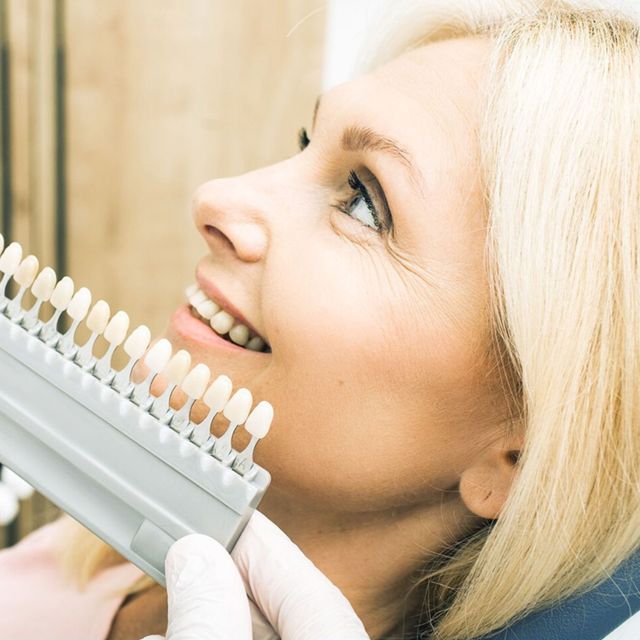
Nowadays the next step of Digital Smile Design development is getting more & more tied up with AI. New systems can take a closer look at facial shapes, tooth shapes & personal taste using machine learning to get a better idea of what works best. Some researchers are experimenting with AI-assisted smile design tools that can automate bits of the planning process but still keep the clinician in the loop. The aim is to reduce the difference in results between different doctors and make the outcomes look more consistent.